
Community
Highway 100 shooting stemmed from 'Muddy' rival gang dispute: Charges
By Marcus Chen
Advertisement · Why this ad?
Marcus manages the day-to-day editorial workflow across all brands, coordinating coverage assignments and ensuring editorial standards are met. He previously served as city editor at the Pioneer Press and holds a degree in Political Science from Carleton College.
More from Marcus →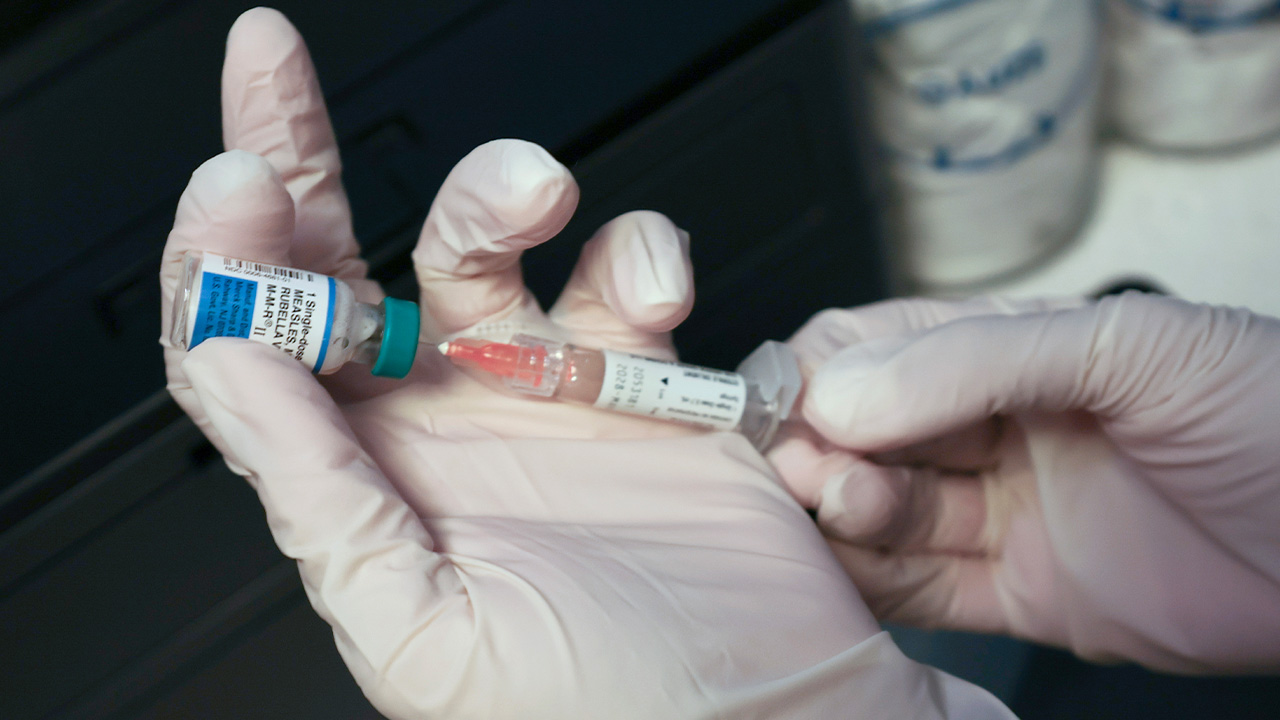
In southwestern Wisconsin, the quiet of a family's home was shattered when a baby girl succumbed to measles—a disease long thought to be eradicated in America. The child’s passing marks a tragic milestone, the first infant death linked to measles in Wisconsin since 1990, and it underscores a dangerous resurgence of a preventable disease. This heartbreaking event has reverberated through local communities, raising urgent questions about vaccination coverage, public health strategies, and community trust in medical science.
The Wisconsin Department of Health Services (DHS) announced that an infant had died amid a growing measles outbreak across the southwestern part of the state. As of Nov. 3, the outbreak has infected at least 431 residents across 13 counties, including Grant, Iowa, Lafayette, and Vernon, with 362 confirmed cases and six probable ones. Chippewa County alone reports 44 confirmed cases, highlighting the outbreak’s severity and the rapid spread within a relatively short period.
The DHS reports that the infant’s death was caused by measles, with the coroner citing the disease as the immediate cause. The department has withheld further details to protect the family’s privacy. This tragic event signals a stark reminder that measles remains a deadly threat, especially to infants too young to be vaccinated. The loss of this young life has sparked grief and concern among local residents, health professionals, and community leaders who are now rallying to prevent further tragedy.
While the outbreak is concentrated in southwestern Wisconsin, cases have also appeared in Rock, Richland, Marathon, Jackson, Marquette, and Buffalo counties. Officials emphasize that these additional cases are not directly linked to the southwestern cluster, illustrating how quickly measles can spread in communities with low vaccination rates. The interconnectedness of these counties, many of which are rural or semi-rural, complicates containment efforts, as access to healthcare and vaccination services can vary widely across the region.
Health authorities attribute the resurgence to gaps in vaccination coverage. According to DHS Secretary Kirsten Johnson, the current outbreak is the worst Wisconsin has seen since 1990. She warned that the actual number of cases might be higher, as some residents may not seek testing or medical care, especially in areas with limited healthcare infrastructure or where vaccine skepticism is prevalent.
Data shows that over 42,000 doses of the MMR vaccine have been administered in Wisconsin since August 1, a significant effort to curb the outbreak. Yet, the outbreak persists, fueled by vaccine hesitancy and misinformation, which continue to threaten community health. The death of the infant serves as a grim reminder of what’s at stake when preventable diseases re-emerge. It also highlights the importance of targeted outreach in communities where mistrust of vaccines remains high, often fueled by misinformation campaigns or lack of access.
Local health officials are increasingly concerned about the long-term implications of this outbreak. Many families in rural Wisconsin have historically had lower vaccination rates due to cultural beliefs, access issues, or misinformation. Community leaders are now working with health departments to combat these barriers, emphasizing education, outreach, and mobile vaccination clinics to reach underserved populations.
The loss of a child has sent shockwaves through local communities, where many residents are questioning their vaccination decisions. For families committed to protecting their loved ones, this tragedy reinforces the importance of immunizations. The Wisconsin DHS urges all eligible residents to get vaccinated, emphasizing that two doses of the MMR vaccine are approximately 97% effective at preventing measles.
Public health officials are working tirelessly to contain the outbreak, conducting contact tracing and providing free vaccination clinics. They stress that measles can cause severe complications, including pneumonia and encephalitis, particularly in infants, pregnant women, and immunocompromised individuals. The community’s response highlights a collective effort to prevent further loss and protect families from preventable suffering. Local clinics, churches, and community organizations are mobilizing to host vaccination events, aiming to reach hesitant populations and dispel myths about vaccine safety.
Strong marriages and intact families are the backbone of resilient communities, and safeguarding children’s health is a shared responsibility. Faith-based organizations, schools, and community leaders are advocating for increased vaccination to uphold the values of caring and responsibility. Many local pastors and community elders have publicly supported vaccination efforts, emphasizing that protecting children is a moral and social imperative.
As the nation faces rising measles cases—four deaths reported in Pennsylvania and ongoing outbreaks in Minnesota—local communities are reminded of the importance of faith, science, and unity in overcoming health crises. The recent outbreak has also prompted local policymakers to revisit vaccination mandates and school-entry immunization requirements, with some considering stricter policies to prevent future outbreaks.
Health officials emphasize that vaccination is not just a personal choice but a societal duty. The American dream of stable, loving households depends on protecting our children from preventable diseases. The tragic infant death in Wisconsin underscores the urgent need for increased awareness, education, and access to vaccines, especially in vulnerable rural areas where misinformation can flourish and healthcare access is limited.
Looking ahead, Wisconsin officials plan to intensify vaccination campaigns and public outreach to prevent further tragedies. The DHS will continue to monitor the outbreak closely, with hopes that community cooperation can turn the tide. State and local health departments are also reviewing strategies to address vaccine hesitancy and misinformation that hinder immunization efforts.
Community leaders are calling for sustained engagement, including school-based vaccination programs, mobile clinics, and targeted education campaigns tailored to culturally diverse populations. The goal is to rebuild trust and ensure that every child receives the protection they need before the next outbreak occurs.
For families, this outbreak is a stark reminder of the importance of faith, responsibility, and community in safeguarding health. The hope is that through increased vaccination and community support, Wisconsin can prevent future tragedies and restore confidence in the power of vaccines to protect our most vulnerable. Local health departments are also exploring partnerships with faith organizations and schools to reinforce the message that vaccines are a community effort vital for everyone's safety.
As this heartbreaking chapter unfolds, it reaffirms the vital role of strong families and committed communities in the fight against preventable diseases. The memory of the infant lost to measles must serve as a catalyst for renewed effort and unwavering dedication to health and safety for all children. The ongoing response will require patience, transparency, and persistent outreach to ensure that no other family endures such a loss.
By Marcus Chen
By Katherine Langford
By Marcus Chen
By Marcus Chen