Community
Shooting near Illinois Wesleyan University leaves 8 shot, 1 dead, police say
By Marcus Chen
Advertisement · Why this ad?
Katherine oversees editorial operations across all six brands. Before joining The Meridan Group, she spent 14 years at the Minneapolis Star Tribune, where she led the metro desk through its digital transformation. She holds a Master's in Journalism from Northwestern's Medill School.
More from Katherine →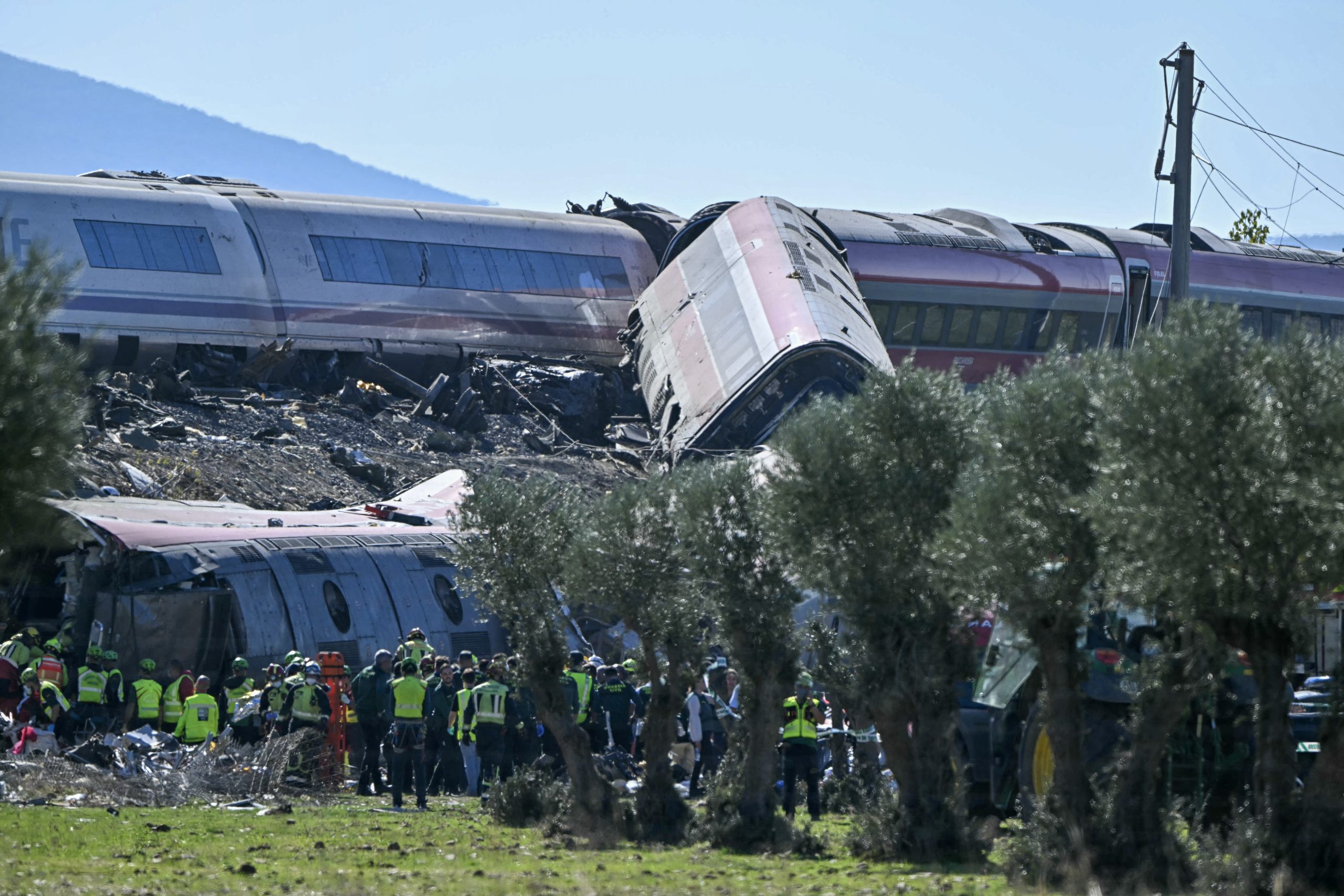
On a clear Wednesday morning in Spain, the tranquility of the bustling high-speed rail system was shattered as two trains collided in a catastrophic accident that claimed at least 64 lives and injured more than 80 others. The scene was devastating: twisted metal and debris scattered across the tracks, emergency responders working tirelessly to rescue the trapped and transport the injured to nearby hospitals. Among the victims were families, friends, and individuals, all of whom were embarking on what should have been a routine journey from Madrid to Seville.
The tragic incident occurred on October 28, 2026, in the province of Toledo, approximately 150 kilometers south of Madrid. The two high-speed trains involved were both en route from Madrid to Seville. One train, operated by the state-owned RENFE, was carrying 397 passengers, while the other, operated by the private company IRYO, had 147 on board. In a series of unfortunate events, a computer malfunction in the central command center led to a critical failure of the safety system along a 39-mile stretch of track.
Despite the malfunction, which rendered the safety system inoperative, the RENFE train was erroneously cleared to resume travel without any speed restrictions. This decision, made by the central command, would have dire consequences. The RENFE train collided with the rear of the IRYO train, which had come to a halt, resulting in both trains derailing and causing extensive casualties.
Spain's Transport Minister, Óscar Puente, addressed the media shortly after the crash, emphasizing that the responsibility for the accident lay with the central command's decision-making process, rather than the train engineers. Puente stated, "The train should never have been told to start moving again since a 'stop signal' was still active." This revelation has raised serious questions about the protocols in place for managing train operations, particularly in the wake of a malfunction.
As investigations continue, the focus is on understanding why the RENFE train was instructed to proceed despite the active stop signal. Minister Puente indicated that if a resumption of service was deemed necessary, it should have been at a significantly reduced speed. The implications of this oversight are profound, not only for the victims and their families but for the entire rail system in Spain.
The human cost of this tragedy is immeasurable. Families are left shattered, and the community is grappling with the aftermath of such a significant loss of life. Regional authorities have confirmed that more than 80 individuals were injured, many of whom are still receiving medical treatment. The emotional toll on the survivors and the families of victims is palpable, as they navigate the uncertainty and grief following the accident.
Esther Padilla, spokesperson for the Castilla La Mancha region, expressed her condolences and reiterated the importance of supporting those affected. “We are doing everything possible to assist the families and ensure that survivors receive the medical attention they need,” she stated. In times of tragedy, the strength of community bonds becomes evident, as neighbors and friends come together to support one another.
The local community in Toledo has been profoundly shaken by the event. Many residents have come together to provide support for the victims' families, organizing vigils and memorial services to honor those who lost their lives. Local businesses have also stepped in, offering free meals and shelter to the families of victims who have traveled to the area to be with their loved ones.
Maria Gonzalez, a local shop owner, shared her thoughts: “It’s heartbreaking to see so many lives taken so suddenly. We are a small community, and everyone feels the impact of this tragedy deeply. We are here for each other.” Her sentiments echo the feelings of many in the region, as they attempt to process the loss.
This incident is not an isolated event; it marks the second deadly accident on the same rail line in less than a year. The previous crash raised alarms about the safety measures in place for high-speed rail travel in Spain, prompting calls for increased scrutiny and reform. The frequency of these accidents has left many questioning the reliability of the rail system and the safety protocols that govern train operations.
As the investigation unfolds, it is crucial for authorities to address these concerns transparently. The public deserves answers about what went wrong and how similar tragedies can be prevented in the future. The Spanish government must take decisive action to restore confidence in the rail system and ensure the safety of its passengers.
In the aftermath of this tragic event, the focus will inevitably shift toward accountability and reform. Spain's central government has pledged to conduct a thorough investigation into the crash, with the aim of identifying the systemic failures that led to such a catastrophic outcome. This investigation will likely involve collaboration between various agencies, including transportation authorities, safety regulators, and the companies involved.
As the nation mourns the loss of life, it is crucial for the government to prioritize safety improvements for the rail system. This includes not only addressing the immediate issues that led to the crash but also implementing long-term safety measures to protect passengers in the future. Enhanced training for train operators, improved communication protocols, and robust safety systems are essential components of any effective strategy.
As the days pass, the community of Toledo will need time to heal from this tragedy. Mental health services are being mobilized to assist those affected, including counseling for survivors and families of victims. Local organizations are coordinating efforts to provide emotional support and resources to help individuals cope with their grief.
Moreover, memorials are being planned to honor the victims, with community leaders emphasizing the importance of coming together to remember those lost and support each other in the healing process. “We must stand united in our grief and work together to ensure such a tragedy never happens again,” said local council member Javier Ruiz.
In conclusion, the tragic collision of two high-speed trains in Spain serves as a stark reminder of the importance of safety in public transportation. The lives lost and the injuries sustained highlight the urgent need for reform and accountability within the rail system. As investigations continue and the community begins to heal, it is our hope that this tragedy will lead to meaningful changes that prioritize the safety and well-being of all passengers.
By Marcus Chen
By Katherine Langford
By Katherine Langford
By Marcus Chen